Artificial intelligence is one of the most powerful new technologies changing the world today. Artificial intelligence and machine learning are transforming industries worldwide — from smartphones and smart assistants to self-driving cars and advanced medical diagnostics.
Many people search for the meaning of artificial intelligence to understand how machines can think, learn, and make decisions. Others want real-life examples of AI to see how it works in everyday situations.
This complete guide explains artificial intelligence and machine learning in simple terms, explores what artificial intelligence means in depth, and provides practical real-world examples.
What Does Artificial Intelligence Mean?
What Is AI?
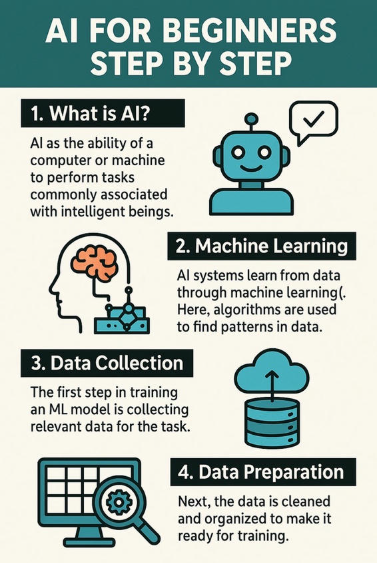
Artificial intelligence (AI) refers to the ability of machines or computer systems to perform tasks that normally require human intelligence.
These tasks include:
- Learning
- Reasoning
- Problem-solving
- Understanding language
- Recognizing patterns
- Making decisions
In simple words, artificial intelligence allows computers to imitate human thinking and behavior.
Important Traits of Artificial Intelligence
AI systems are designed to:
- Learn from data
- Adapt to new information
- Solve complex problems
- Understand images and speech
- Make predictions
Understanding what artificial intelligence means helps explain how many modern technologies function across industries.
What Is AI? Real-Life Examples
To better understand artificial intelligence, let’s explore practical examples.
1. Voice Assistants
Digital assistants like Siri and Google Assistant use AI to understand voice commands and respond accurately. They process natural language, identify user intent, and provide relevant answers.
2. Recommendation Systems
Streaming platforms and shopping websites use AI and machine learning to suggest movies, music, and products based on user behavior and preferences.
For example, online stores recommend products based on your previous searches and purchases.
3. Self-Driving Cars
Autonomous vehicles use AI to detect obstacles, interpret traffic signals, and make real-time driving decisions. Cameras and sensors collect data, and machine learning algorithms analyze it instantly.
4. Healthcare Diagnosis
Hospitals use AI to detect diseases by analyzing medical images such as X-rays and MRIs. AI systems can identify patterns faster and sometimes more accurately than humans.
5. Fraud Detection
Banks use AI to detect suspicious transactions. Machine learning algorithms analyze spending behavior and flag unusual activity.
These examples clearly show what artificial intelligence is and how it impacts daily life.
What Is the Difference Between Artificial Intelligence and Machine Learning?
People often confuse artificial intelligence and machine learning, but they are related yet different concepts.
What Is Machine Learning?
Machine learning (ML) is a subset of artificial intelligence that enables systems to learn from data without being explicitly programmed.
Instead of following fixed rules, machine learning models improve automatically by analyzing large datasets.
The Relationship Between AI and Machine Learning
- Artificial intelligence is the broader concept of machines performing intelligent tasks.
- Machine learning is a method used to achieve AI.
In short, machine learning is one of the main technologies that powers artificial intelligence.
Types of Artificial Intelligence
Understanding AI also involves knowing its types.
1. Narrow AI (Weak AI)
Narrow AI is designed to perform specific tasks.
Examples include:
- Chatbots
- Image recognition systems
- Voice assistants
This is the most common form of AI used today.
2. General AI
General AI refers to machines that can perform any intellectual task that a human can do. This type of AI is still theoretical.
3. Super AI
Super AI would surpass human intelligence in all areas. This concept is currently hypothetical and widely debated.
How Artificial Intelligence Works
Artificial intelligence systems rely on:
- Large datasets
- Algorithms
- High computing power
The typical AI process includes:
- Data collection
- Data processing
- Model training
- Testing and evaluation
- Deployment
Understanding how AI works makes the concept of artificial intelligence clearer and more practical.
How Artificial Intelligence Is Used Across Industries
AI and machine learning are transforming multiple industries.
Healthcare
AI helps with:
- Disease detection
- Drug discovery
- Patient monitoring
Finance
Banks use AI for:
- Risk assessment
- Credit scoring
- Fraud prevention
Education
AI-powered platforms provide:
- Personalized learning
- Automated grading
- Student performance analysis
Retail
Retail businesses use AI for:
- Demand forecasting
- Inventory management
- Customer behavior analysis
Manufacturing
AI improves:
- Quality control
- Predictive maintenance
- Robotic automation
These applications demonstrate what artificial intelligence means in real-world scenarios.
Benefits of Artificial Intelligence
To fully understand AI, it’s important to know its advantages.
1. Increased Efficiency
AI automates repetitive tasks, saving time and improving productivity.
2. Greater Accuracy
Machine learning reduces human error in data analysis and predictions.
3. Cost Reduction
Automation lowers operational costs for businesses.
4. Better Decision-Making
AI systems analyze vast amounts of data quickly and provide actionable insights.
Challenges of Artificial Intelligence
Despite its benefits, AI presents challenges.
1. Data Privacy Concerns
AI systems require large amounts of data, which raises privacy issues.
2. Job Displacement
Automation may reduce demand for certain manual jobs.
3. Ethical Concerns
Biased data can lead to unfair or inaccurate AI decisions.
4. High Implementation Costs
Developing AI systems requires advanced infrastructure and expertise.
The Future of Artificial Intelligence and Machine Learning
The future of AI and machine learning is promising.
Emerging trends include:
- AI-powered robotics
- Smart cities
- Autonomous vehicles
- Advanced healthcare diagnostics
- Improved natural language processing
As technology advances, AI systems will become even more powerful and integrated into daily life.
Why Learning Artificial Intelligence Is Important
Students and professionals are increasingly learning AI and machine learning because:
- There is high demand for AI skills
- Salaries are competitive
- Global job opportunities are expanding
- Industries are becoming innovation-driven
Understanding artificial intelligence can open doors to exciting career paths.
Common Misconceptions About AI
AI Will Replace All Humans
AI is designed to assist humans, not completely replace them.
AI Is Always Accurate
AI depends on quality data and can make mistakes.
AI Has Emotions
Artificial intelligence does not have emotions or consciousness.
How AI Impacts Everyday Life
Artificial intelligence and machine learning influence daily activities more than many people realize.
From search engines and digital payments to social media feeds and navigation apps, AI powers everyday technologies.
Businesses use AI insights to improve operations and enhance customer experiences.
How to Start Learning Artificial Intelligence
Beginners can start by:
- Learning programming languages like Python
- Studying data science fundamentals
- Practicing with machine learning models
- Taking online AI courses
- Building small AI projects
Hands-on practice makes understanding artificial intelligence much easier.
Conclusion
Artificial intelligence refers to machines designed to simulate human intelligence and perform complex tasks. Machine learning is a key technology that enables intelligent systems to learn and improve from data.
From healthcare and finance to retail and education, artificial intelligence is reshaping industries worldwide. Learning about AI through real-world examples helps you understand its growing impact.
As technology continues to evolve, AI and machine learning will shape the future even more. Understanding artificial intelligence today prepares individuals and businesses for tomorrow’s innovations.
Leave a Reply